Our History
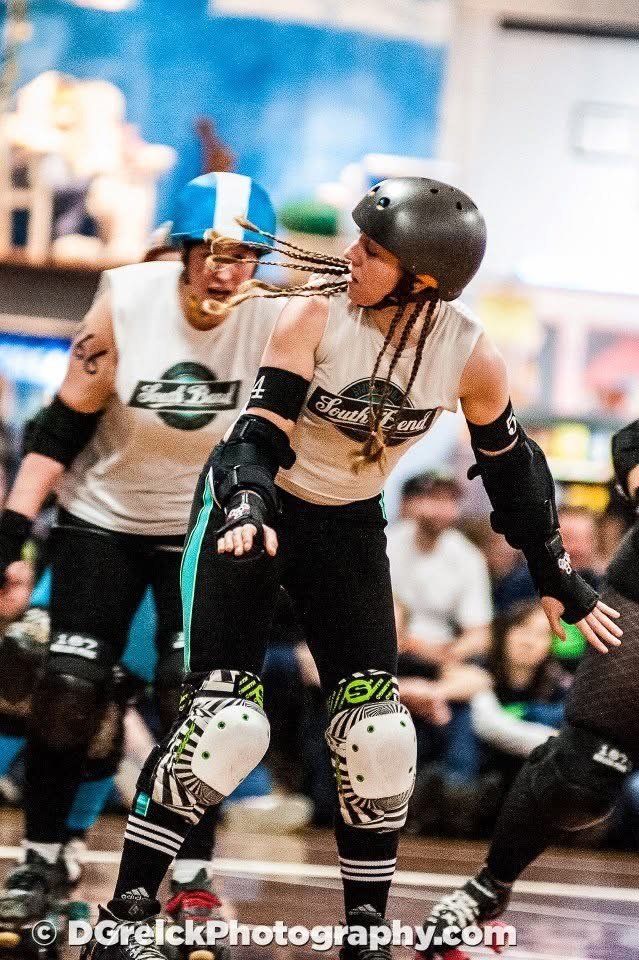
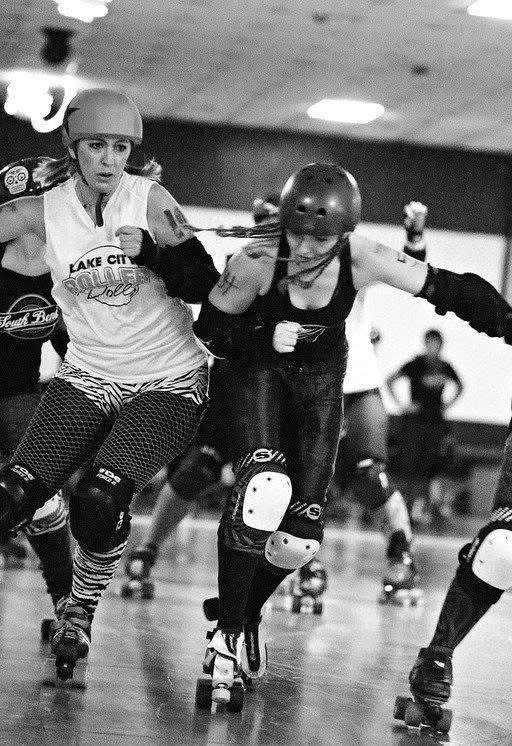
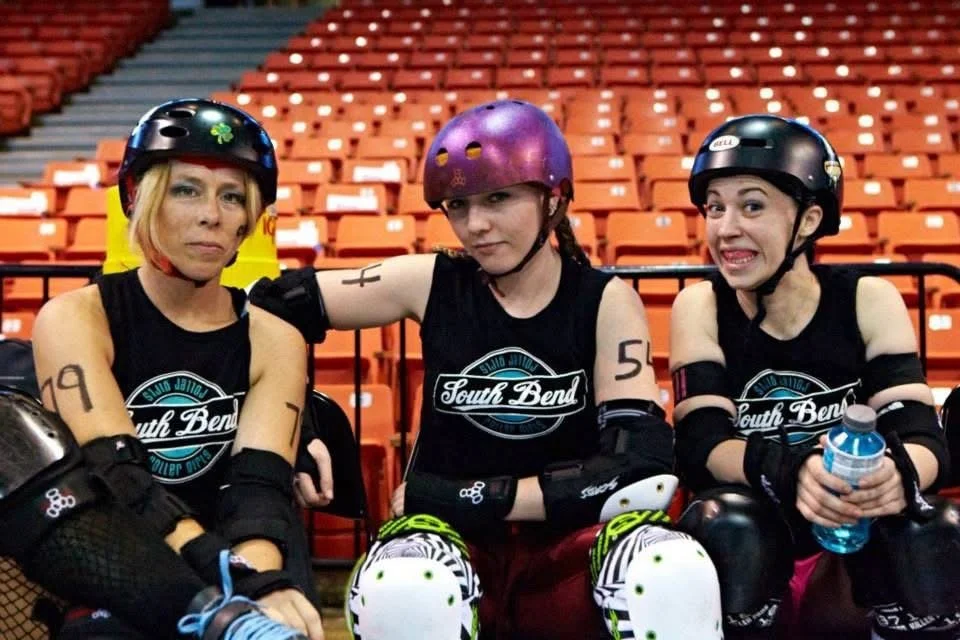
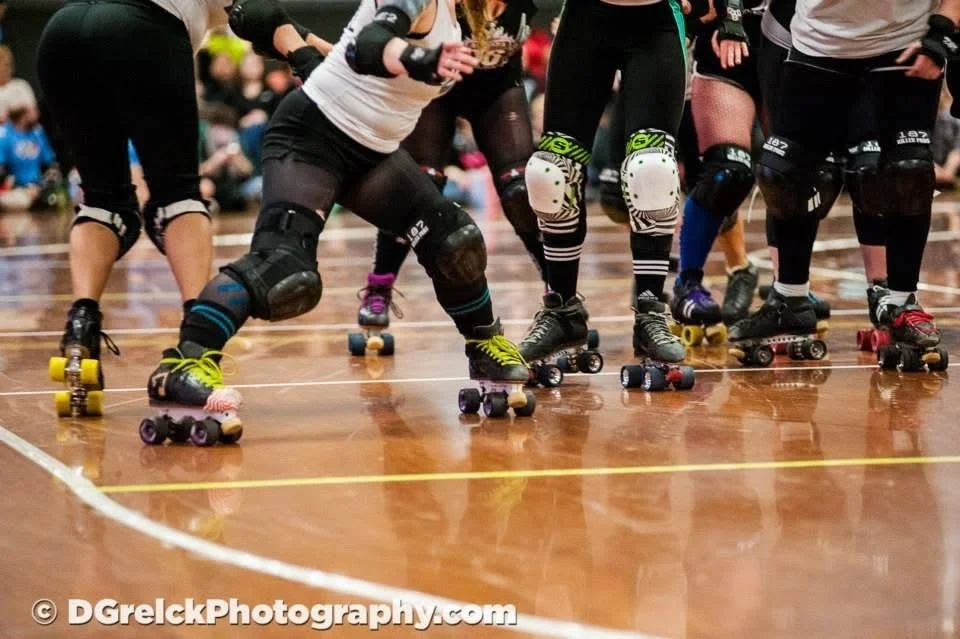
South Bend Roller Derby (SBRD) has a rich history rooted in community, determination, and a whole lot of heart on eight wheels.
The Early Days (2010)
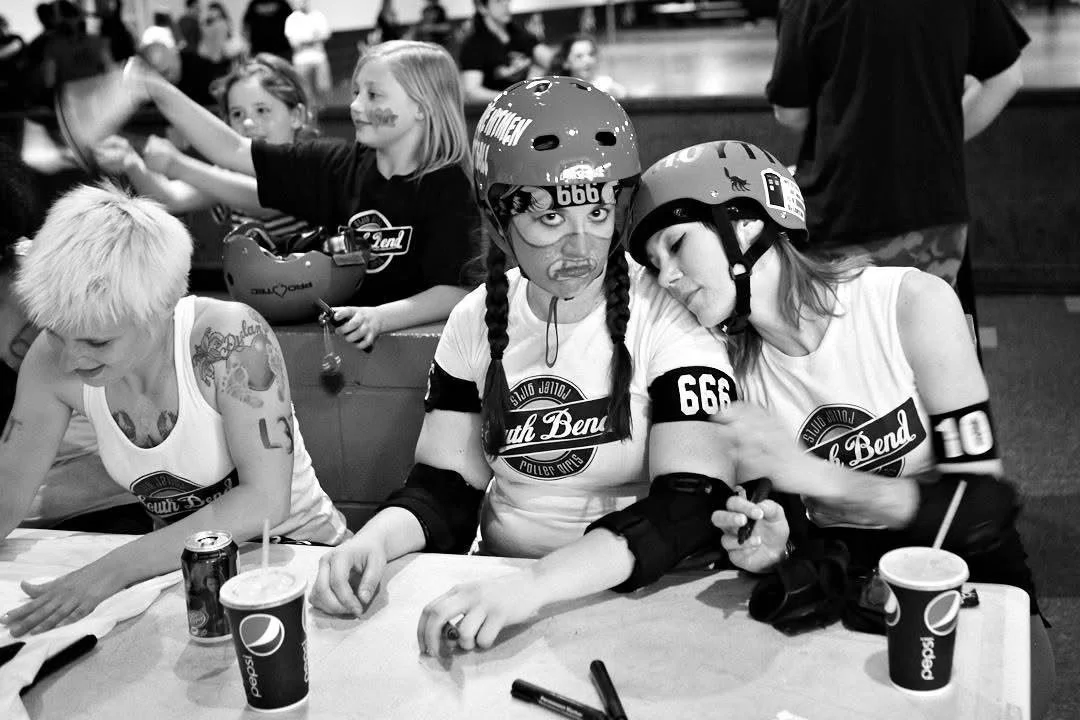
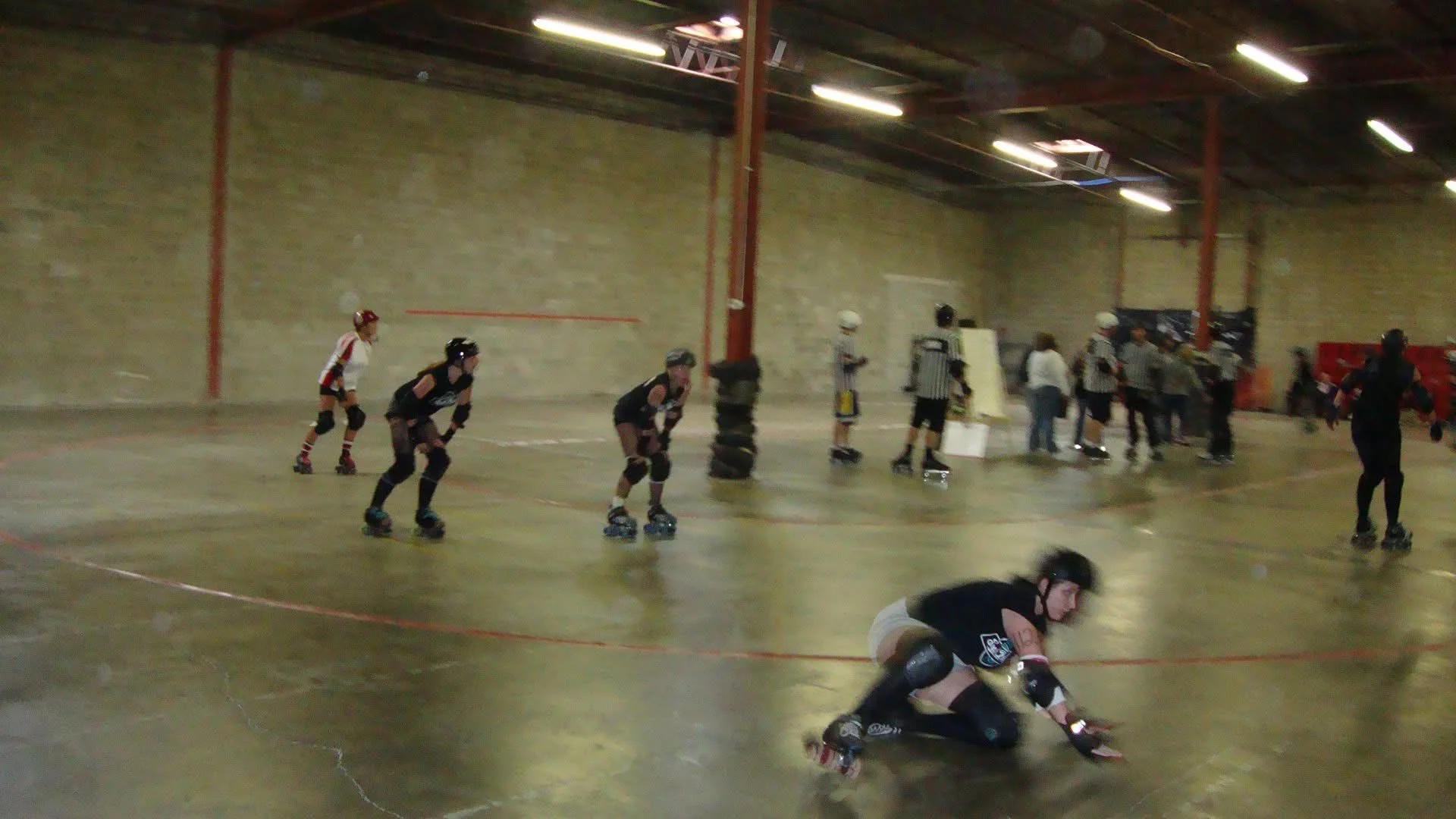
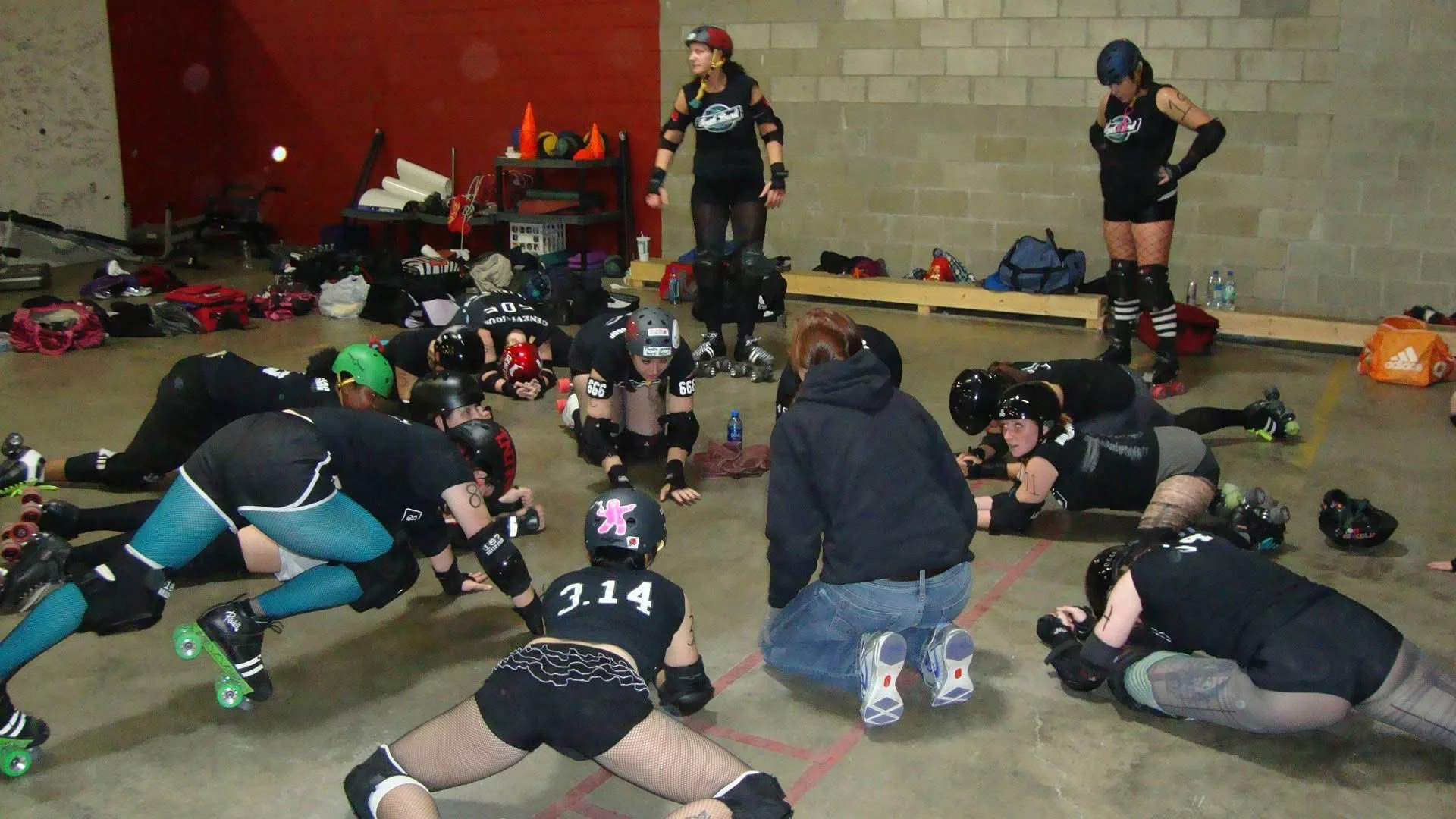
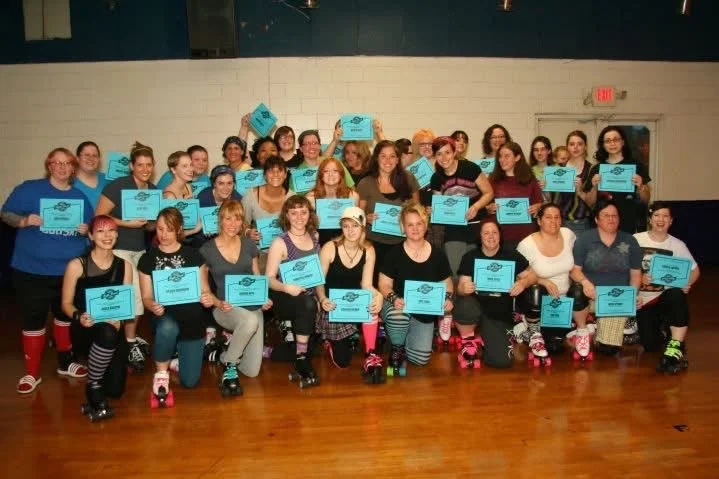
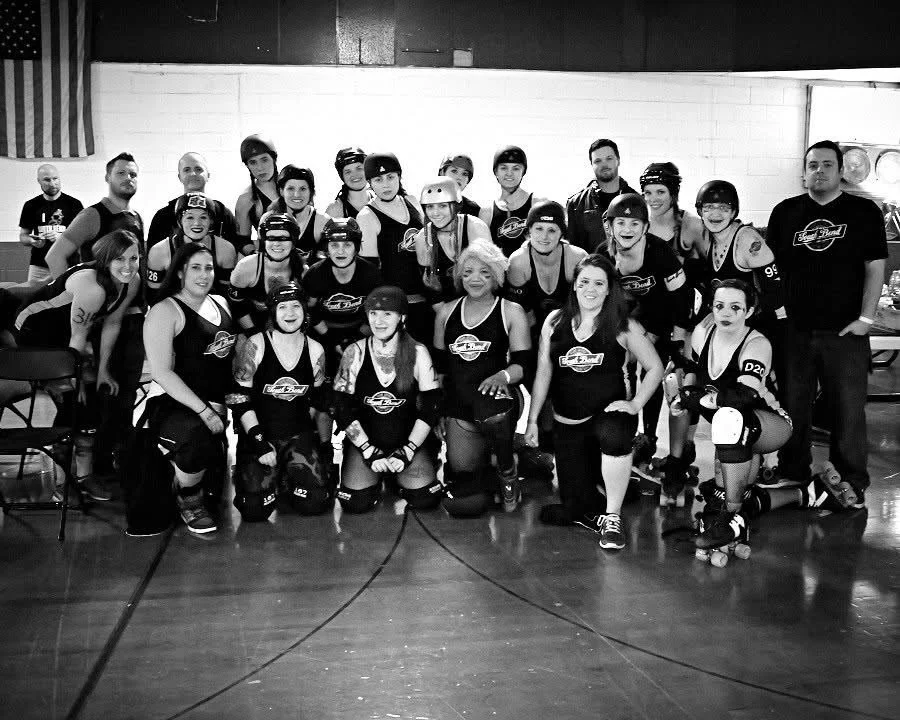
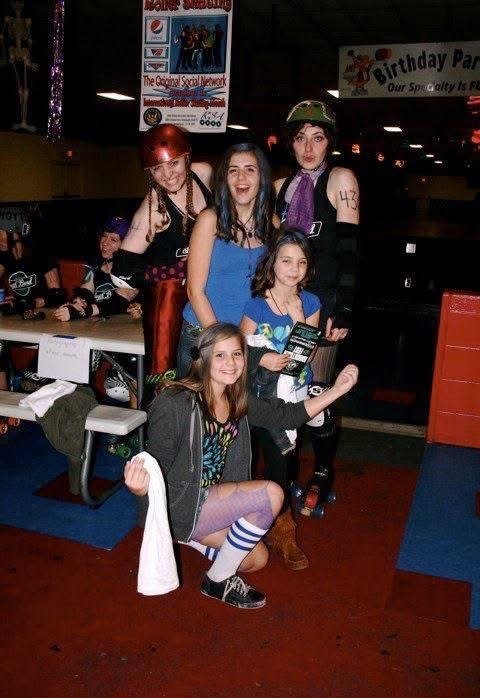
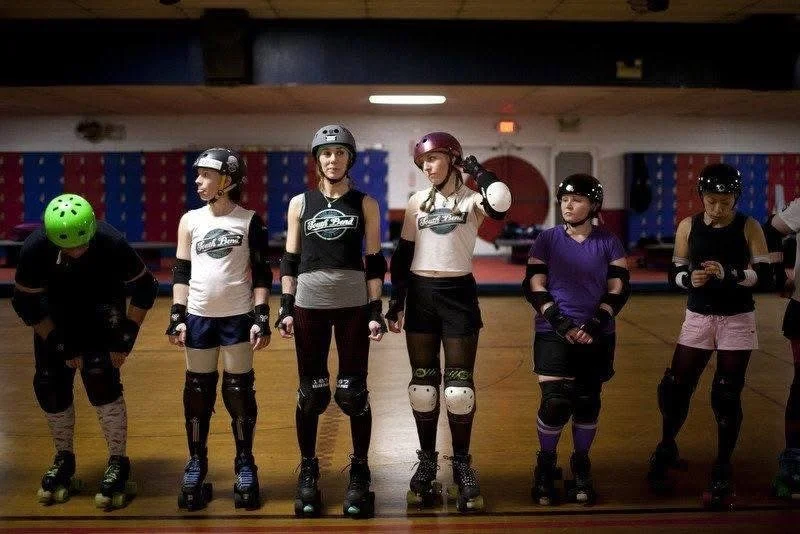
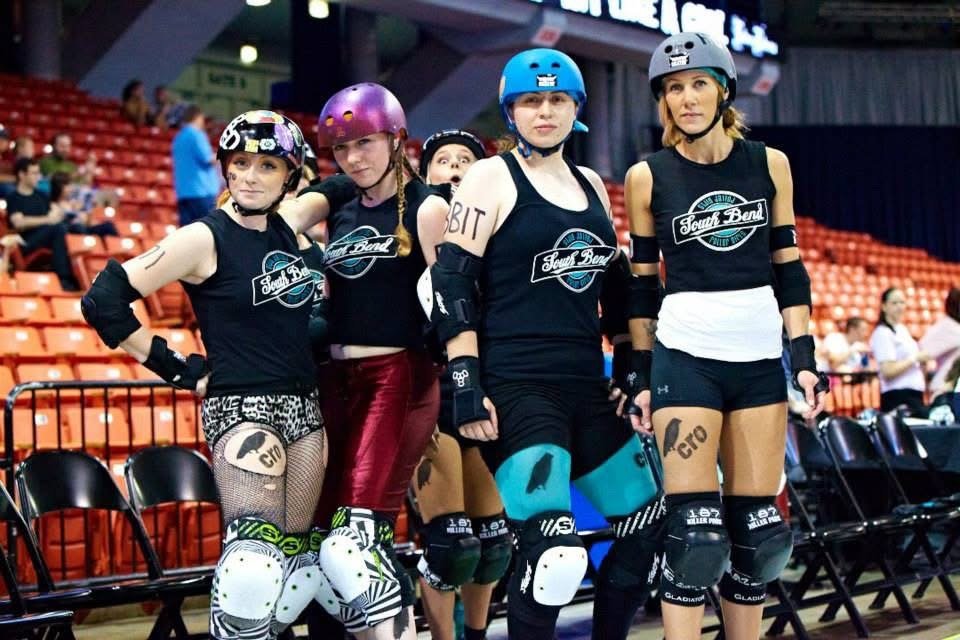
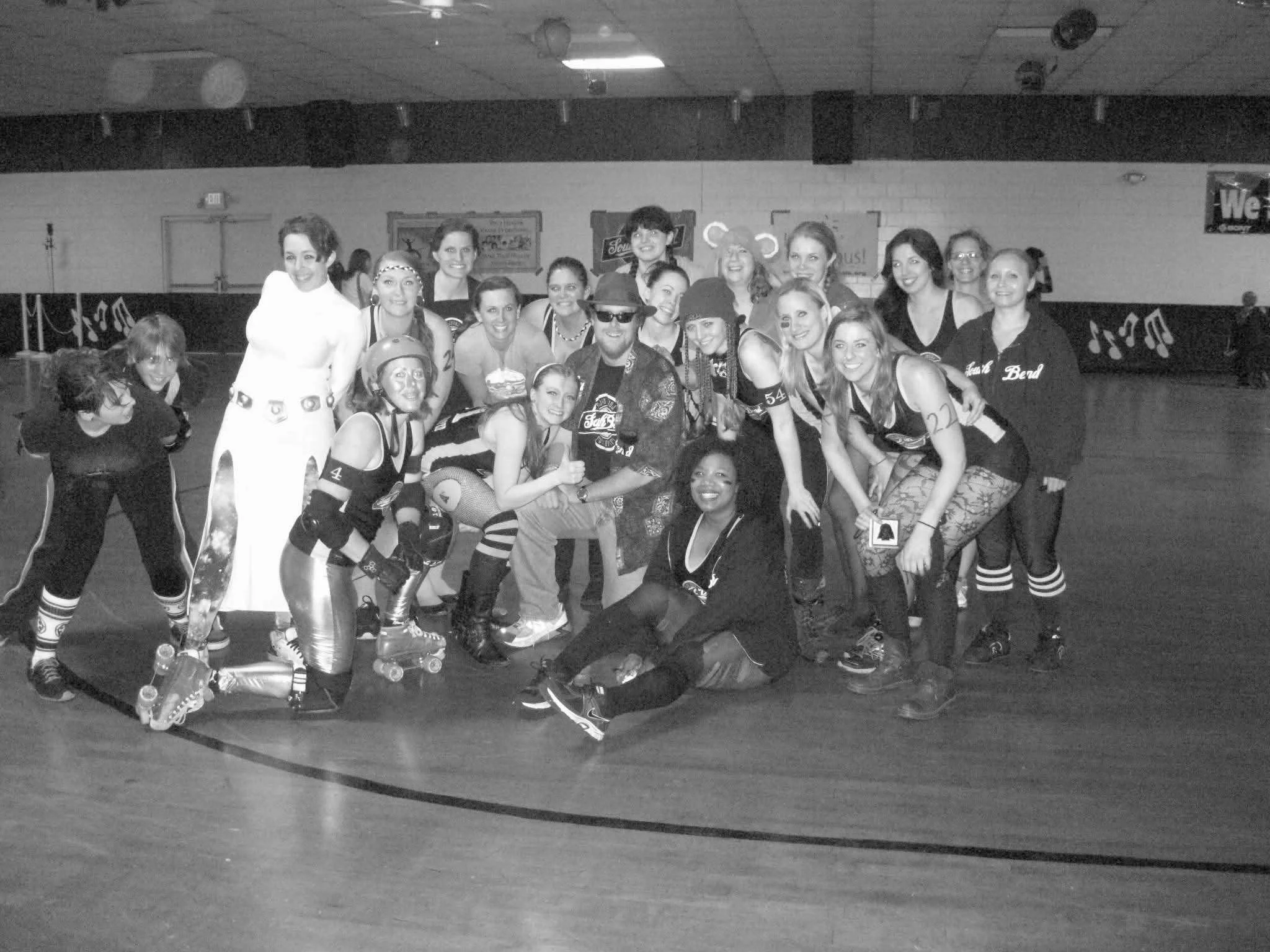
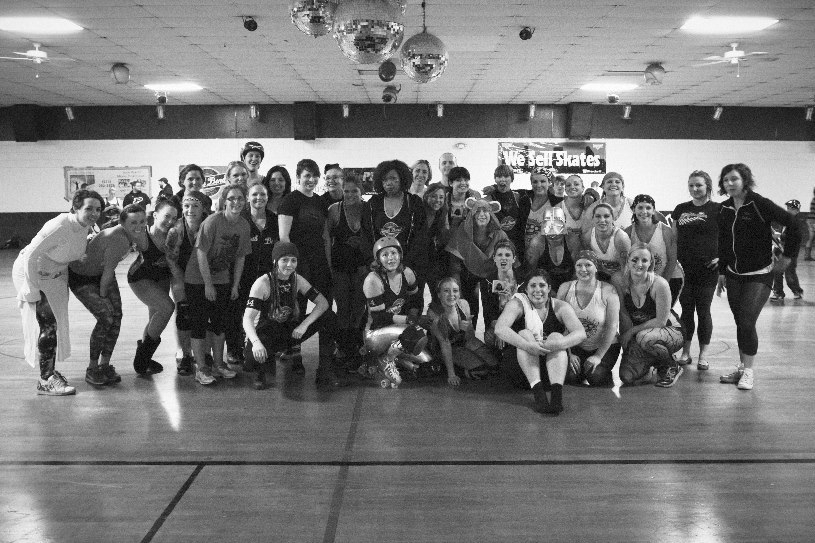
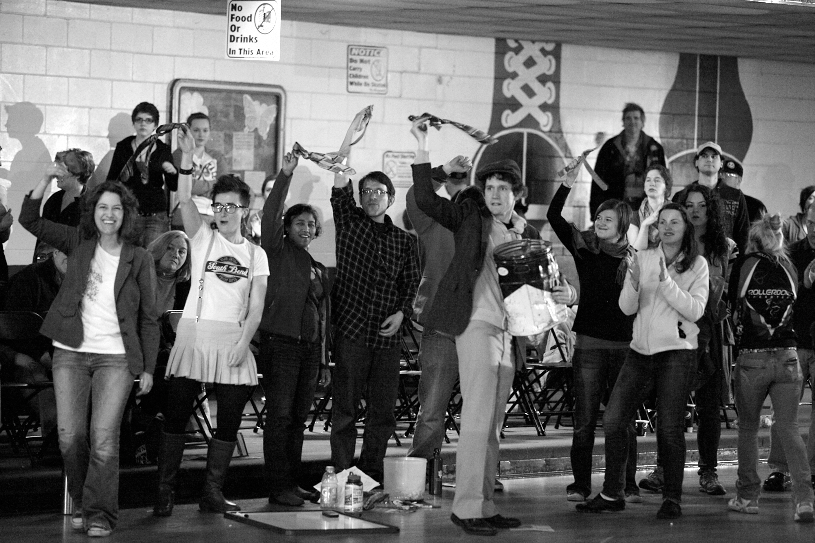
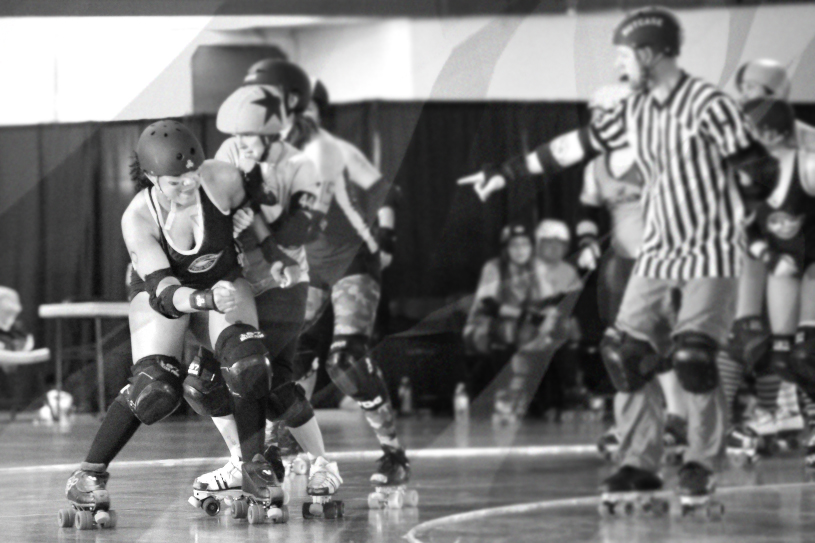
South Bend Roller Girls was founded in March 2010 after a single determined individual set out to bring flat-track roller derby to the South Bend area. That spark quickly turned into something much bigger. After a message was shared on social media, interest poured in almost immediately. With rental gear strapped on and roughly 80–90 people showing up, early practices were less about structure and more about learning to skate, laughing together, and discovering what derby could be. It was raw, energetic, and full of possibility.
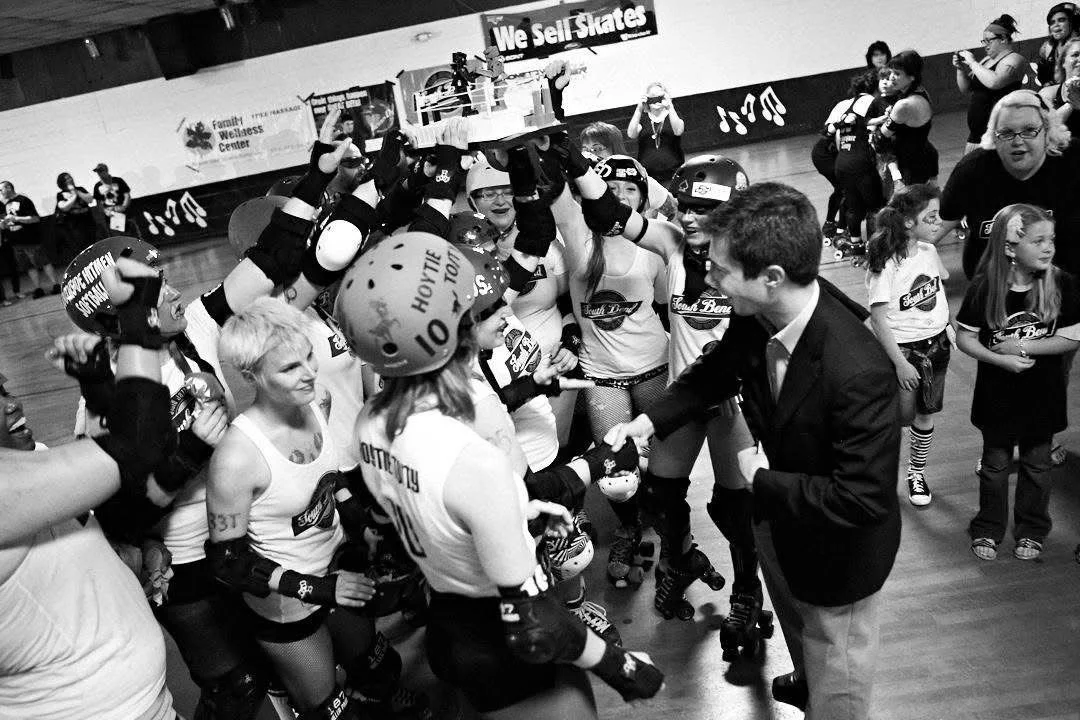
Two founding members, Hoytie Toytie and Fraidy Krueger, helped guide the league through its earliest steps, laying the groundwork for what would become a long-standing and resilient organization. G-Stop stepped into the role of the league’s first coach, helping transform enthusiasm into skills and teamwork.
Finding Our Stride (2010–2011)
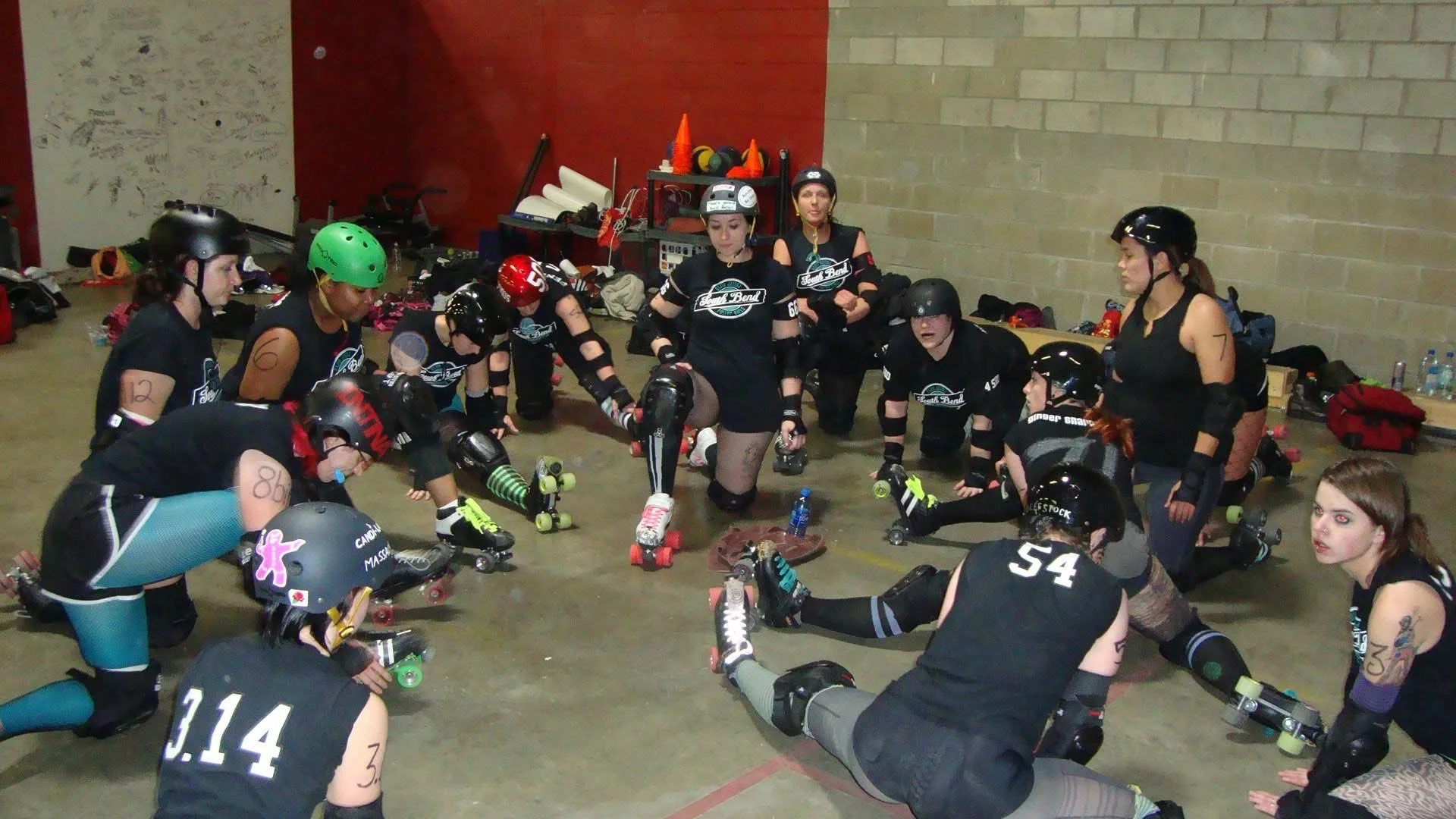
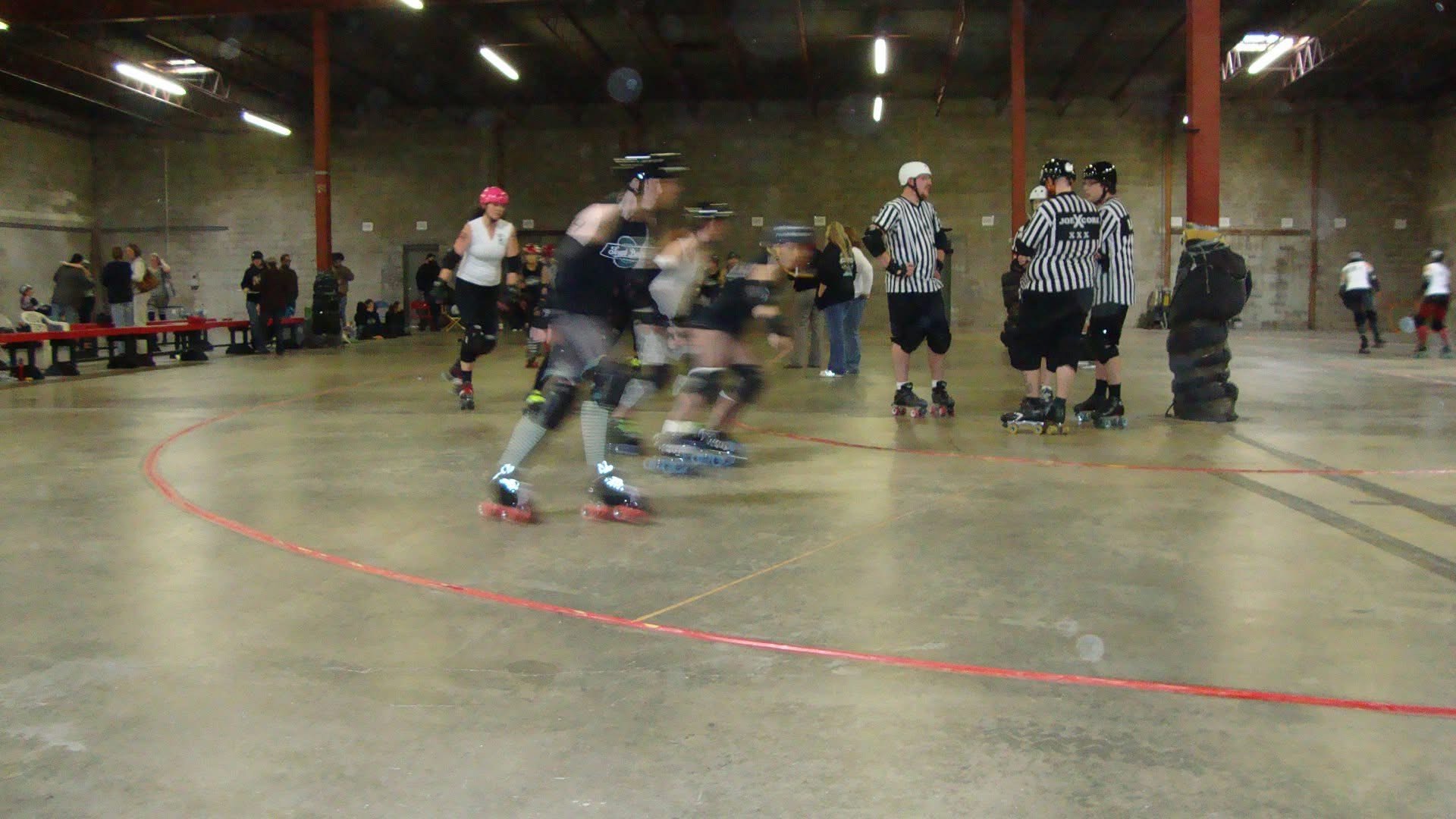
Practices were initially held at USA Skate Center, where the league trained from 2010 through 2015. As skills grew and scrimmages became a reality, South Bend Roller Girls quickly began connecting with the wider derby community. Kalamazoo Roller Derby and Naptown Roller Derby were instrumental during this time, offering support, guidance, and opportunities that helped SBRG grow into competitive play.
On November 21, 2010, South Bend Roller Girls played its first-ever scrimmage against Naptown—an important milestone that marked the league’s transition from practice-only to active competition.
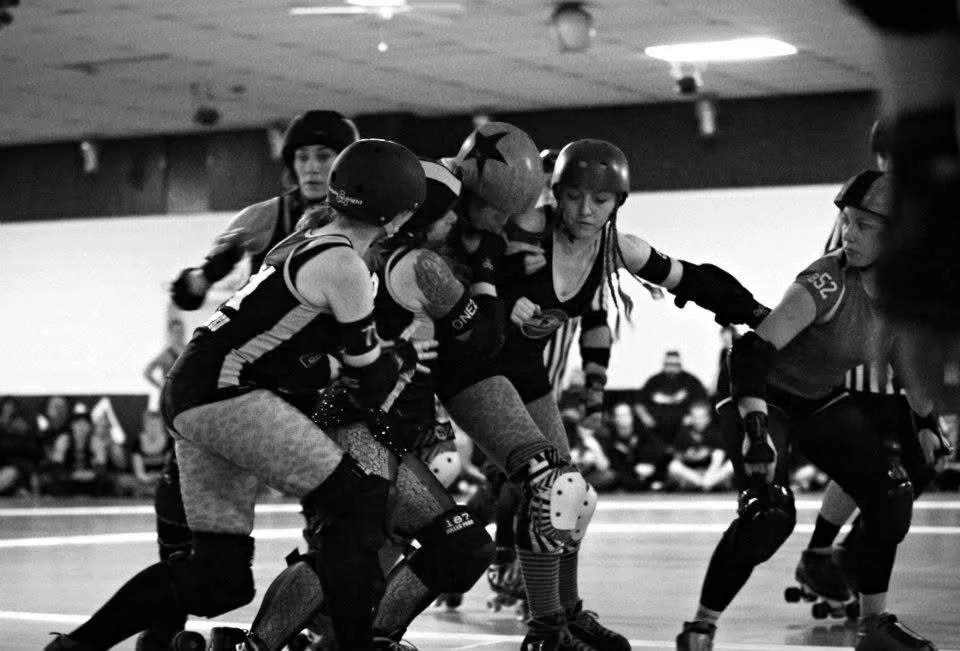
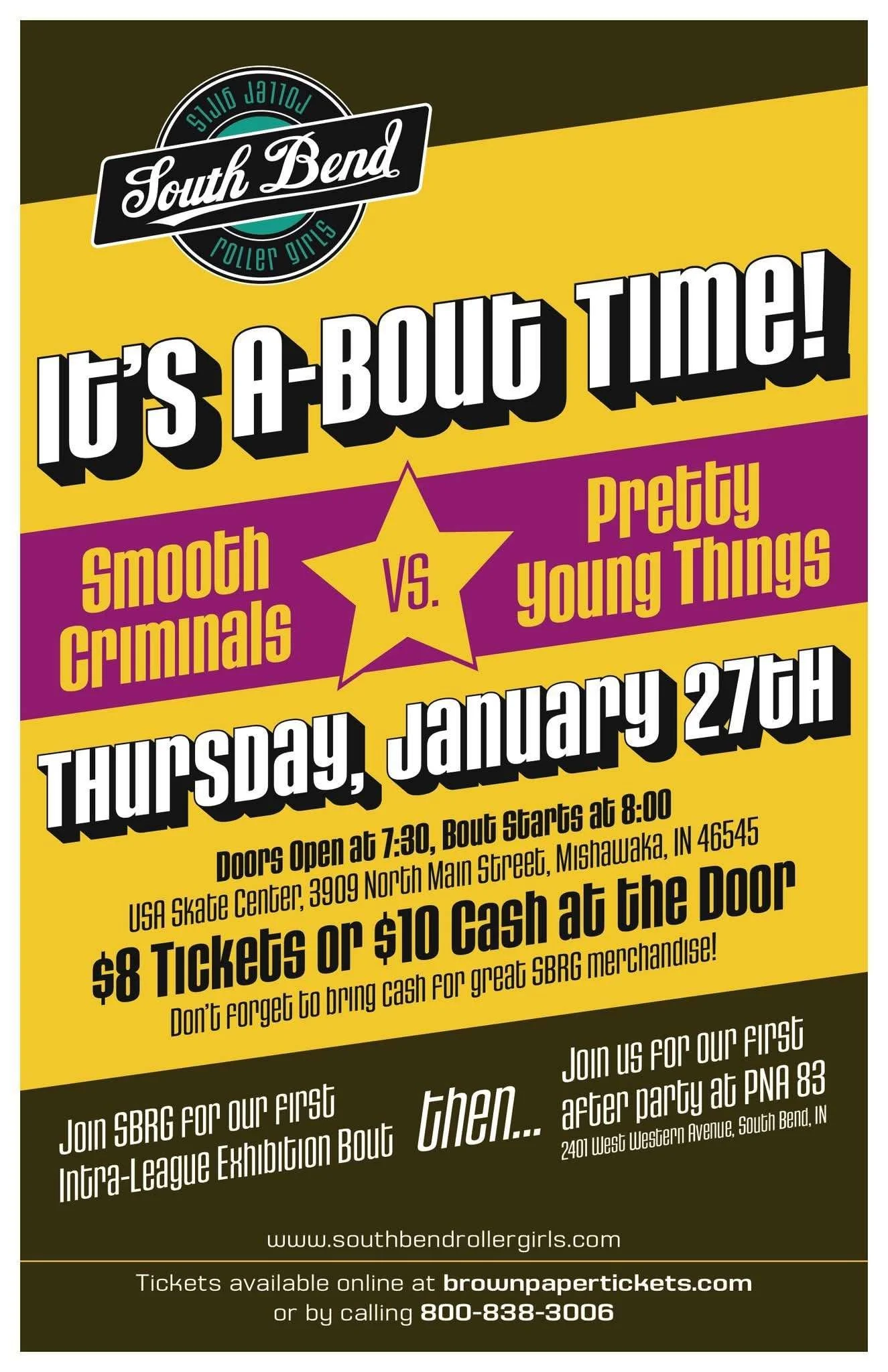
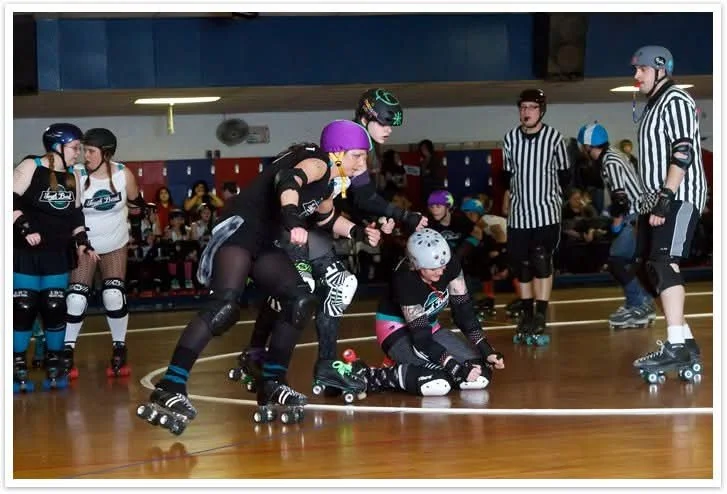
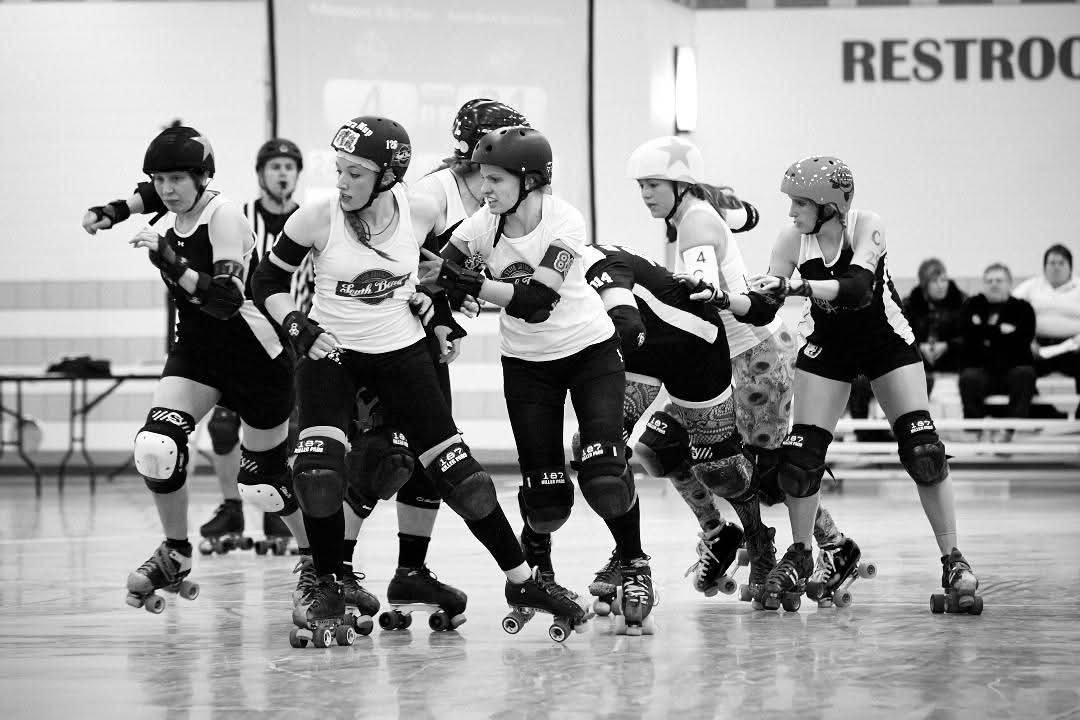
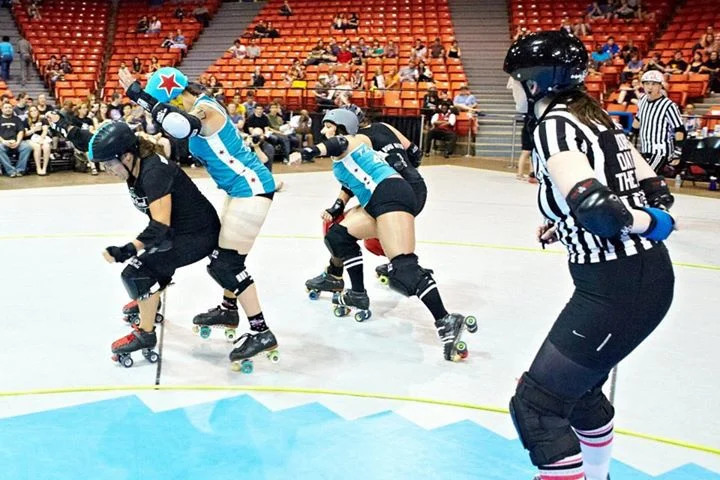
That momentum carried into the new year. On Thursday, January 27, 2011, South Bend Roller Girls hosted its first public game, officially introducing the community to the fast-paced, hard-hitting, and inclusive sport of roller derby.
Joining the WFTDA
In 2011, South Bend Roller Girls joined the Women’s Flat Track Derby Association (WFTDA), solidifying its commitment to the sport’s highest standards of play, governance, and community values. This step connected the league to an international network of leagues and officials, opening the door to continued growth and development.
Growing Up as a League
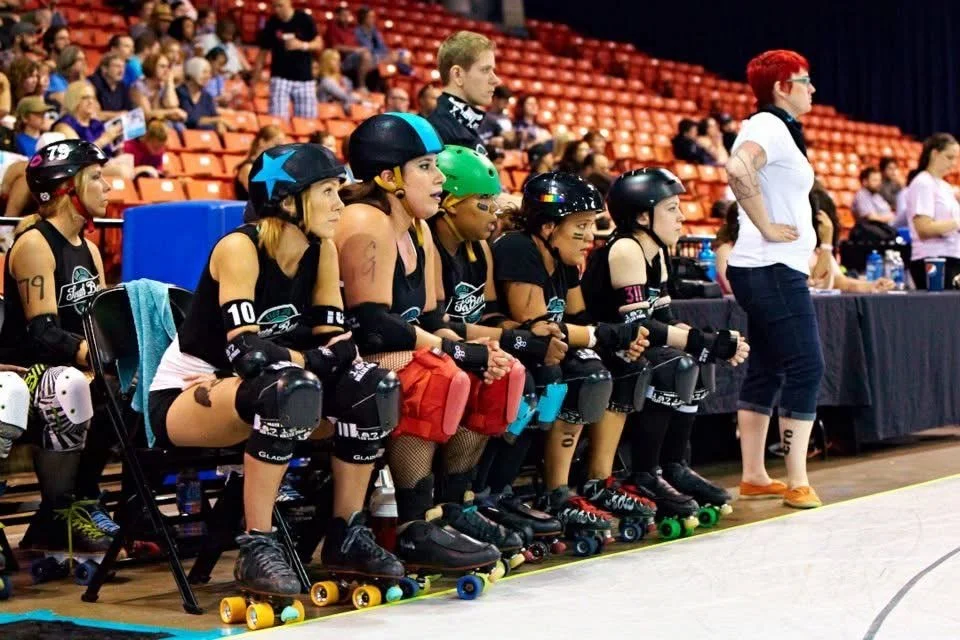
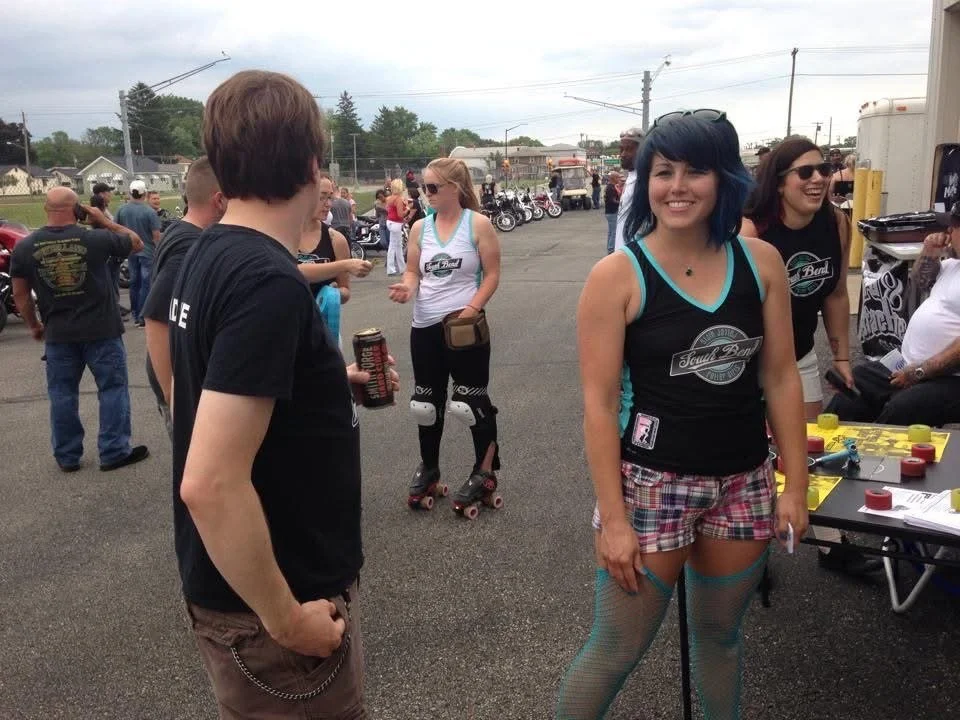
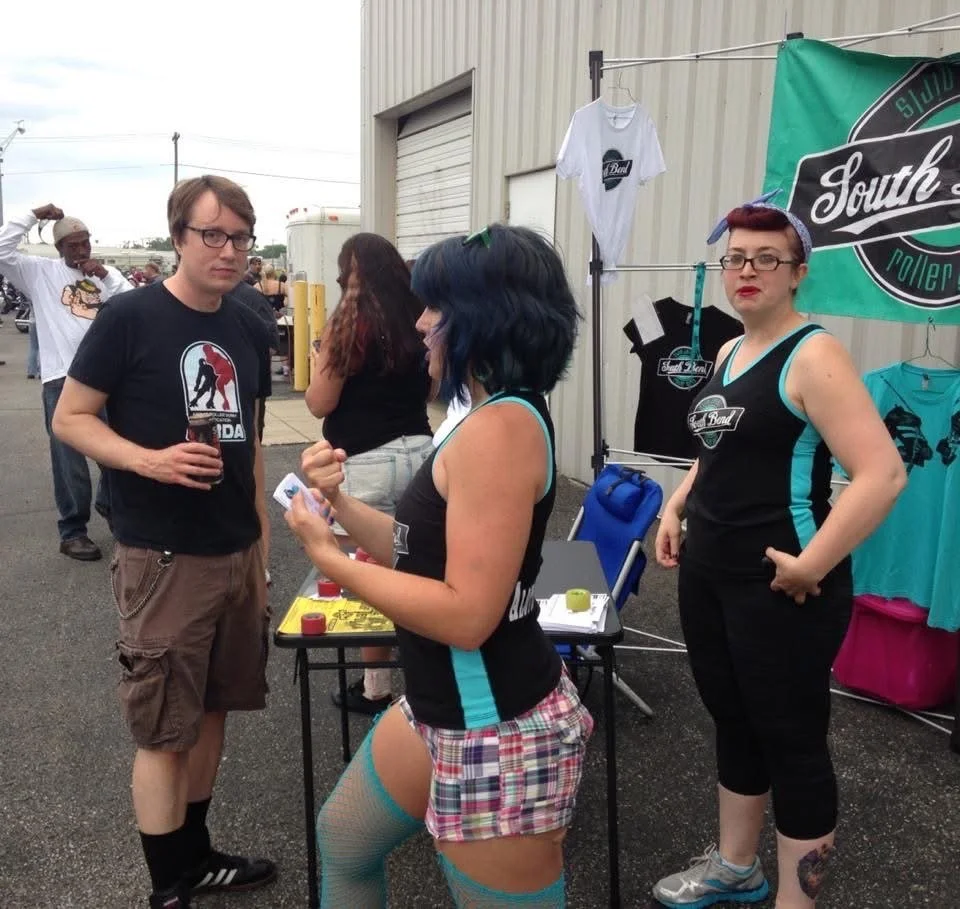
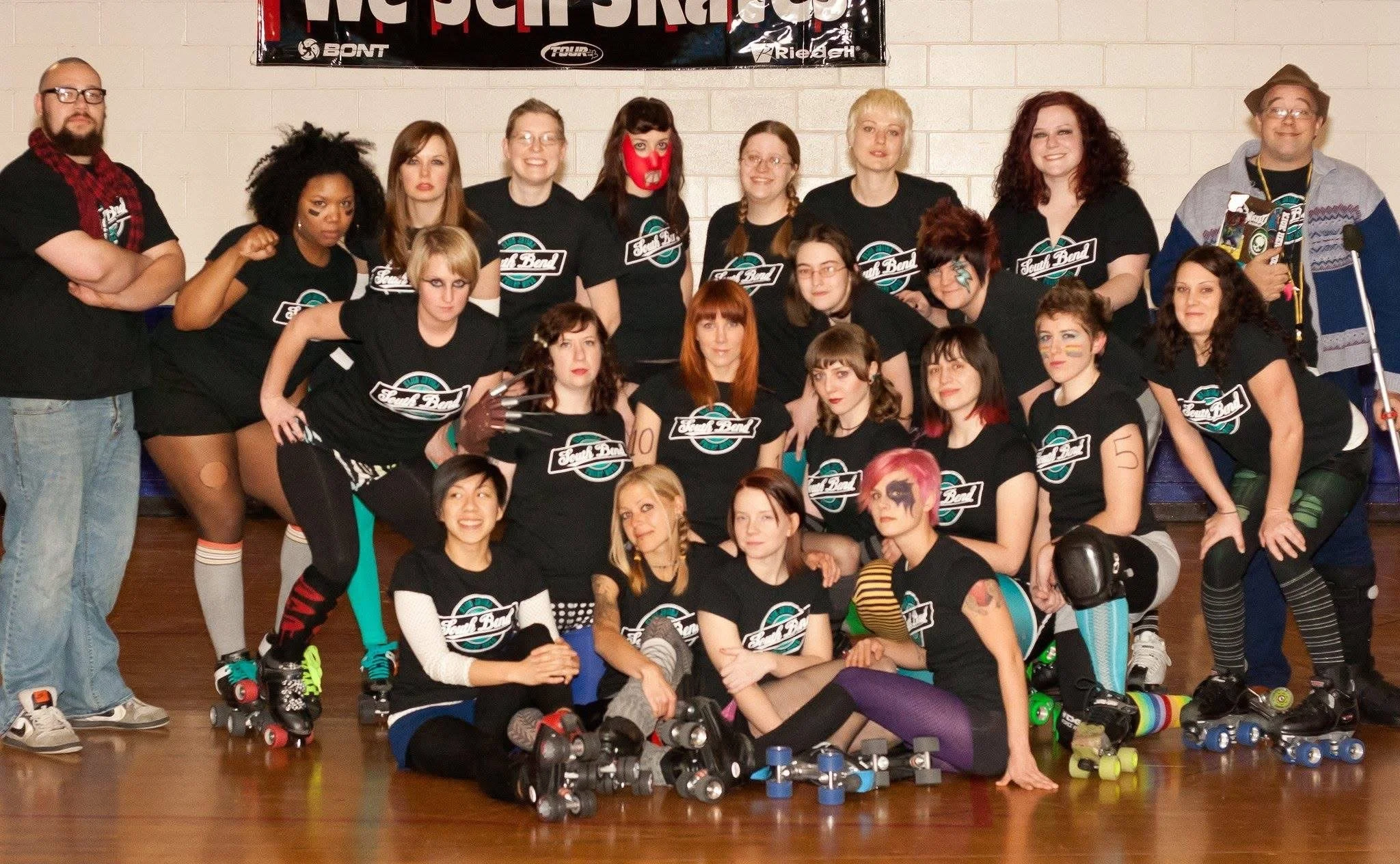
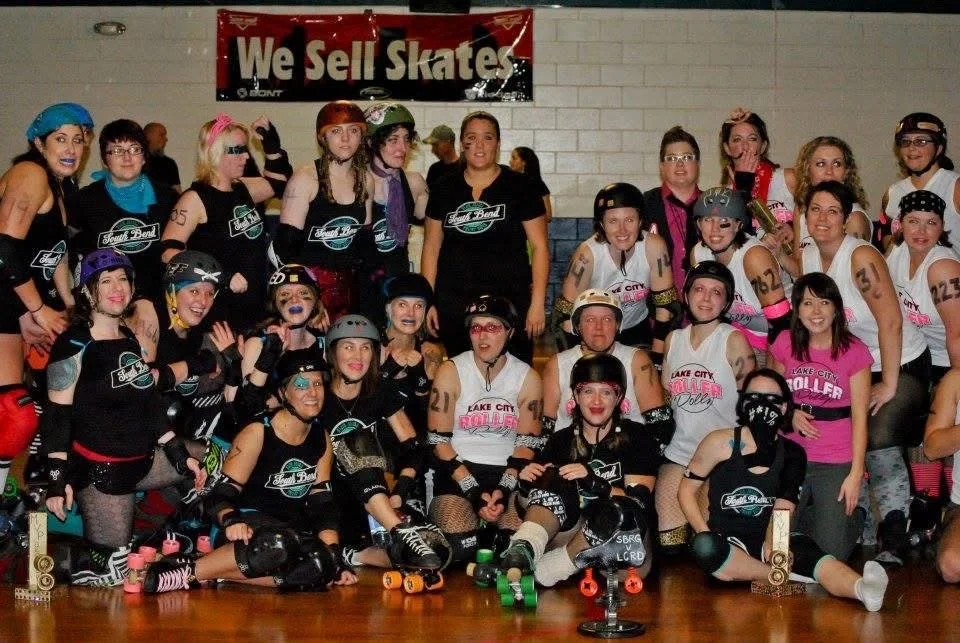
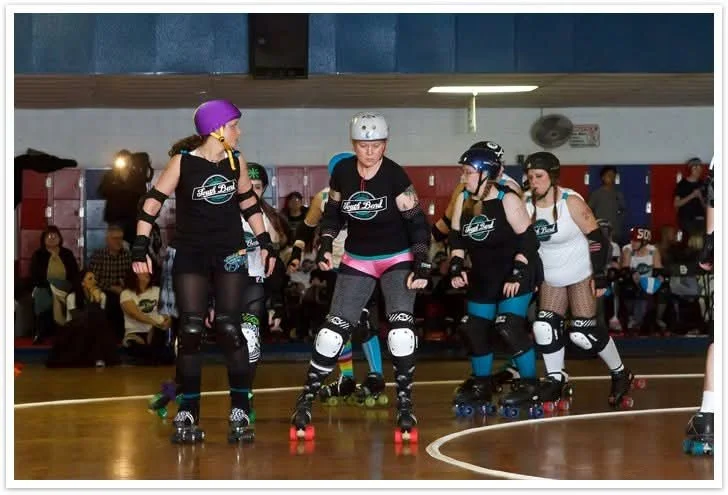
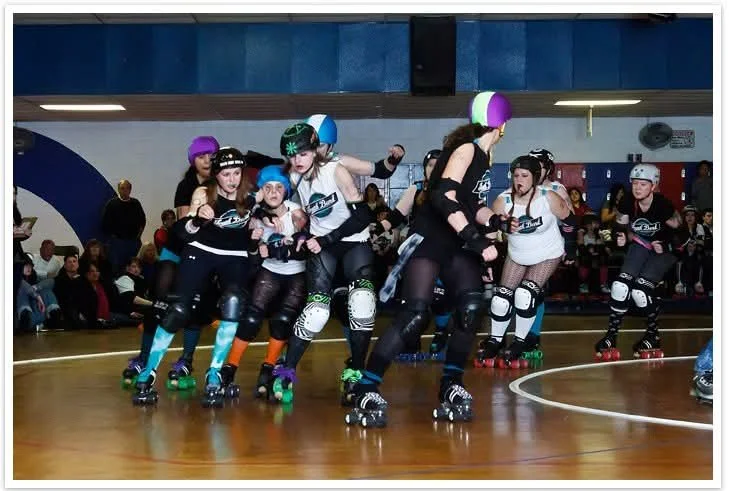
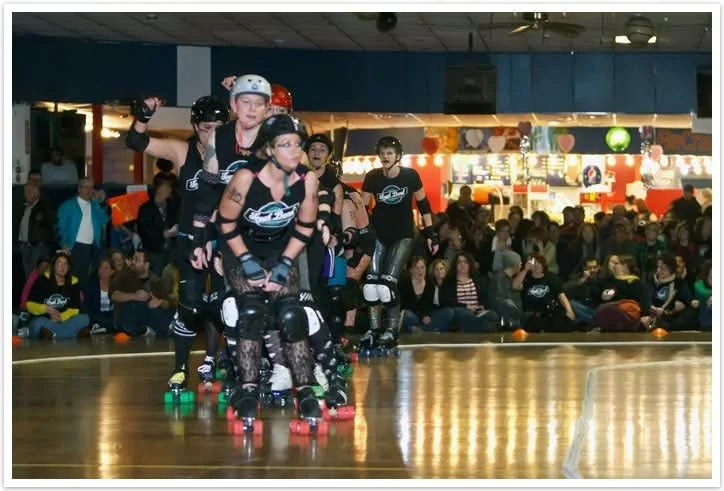
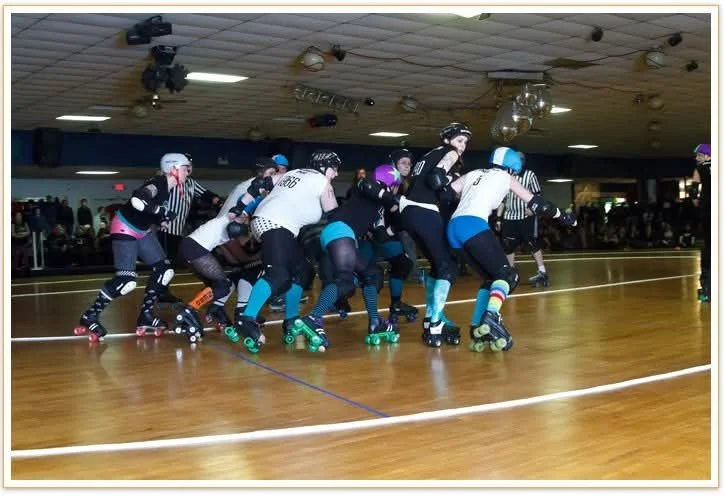
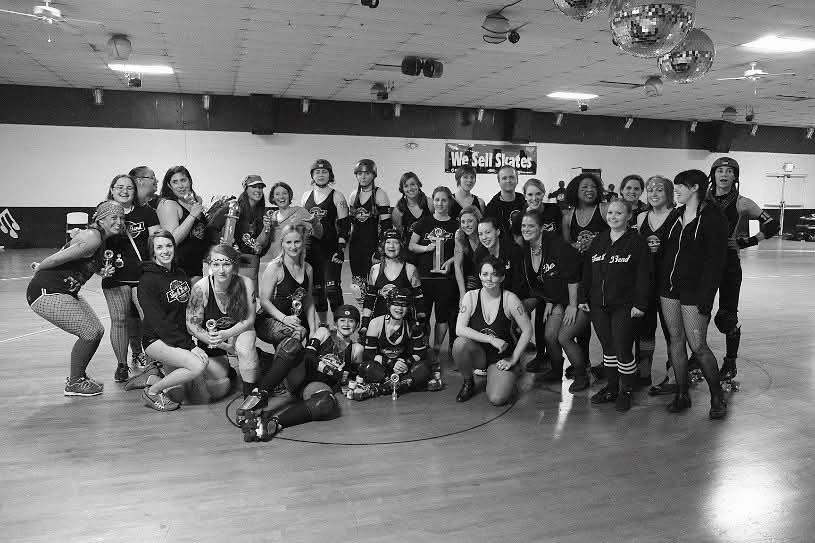
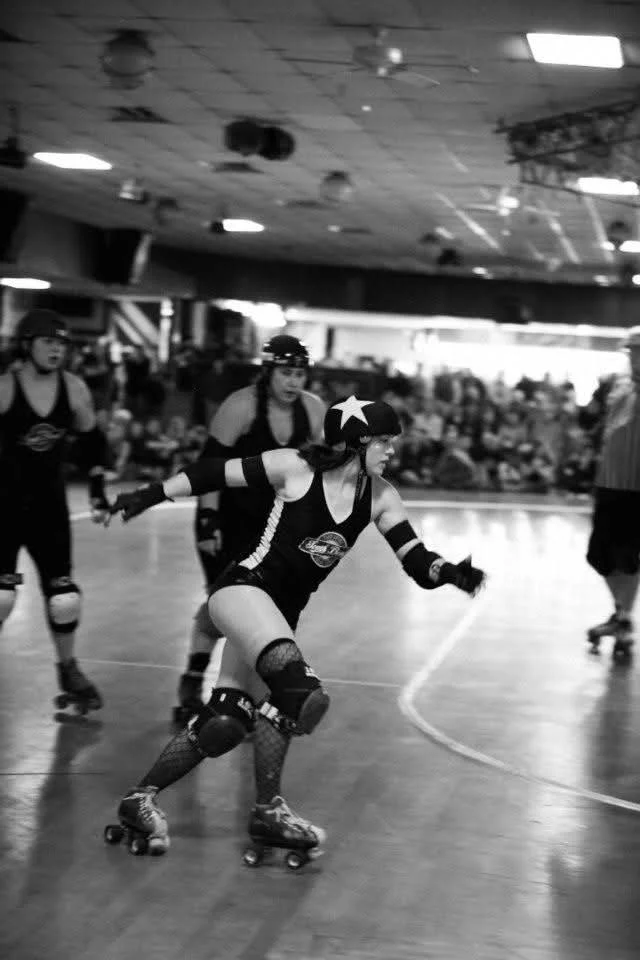
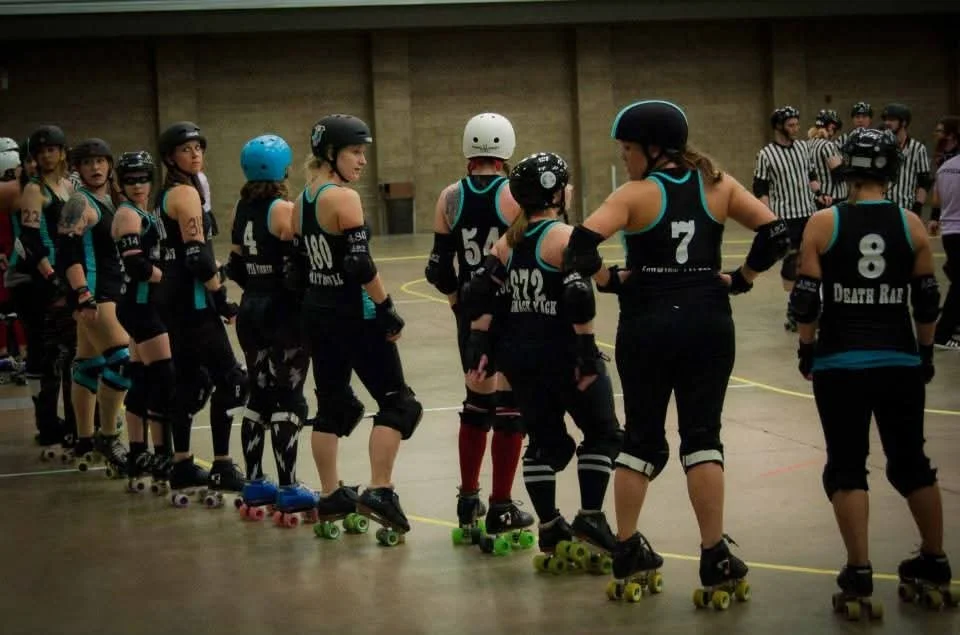
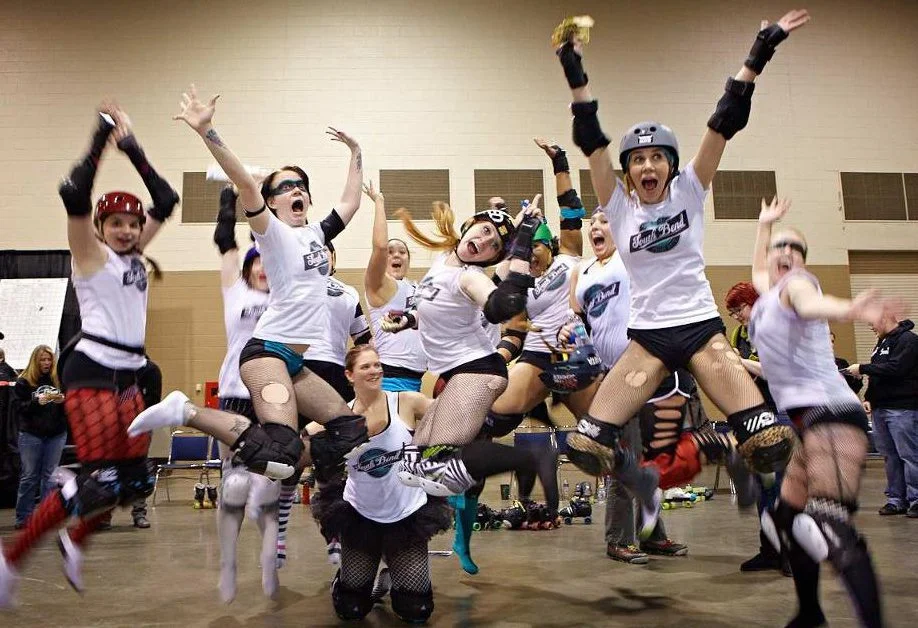
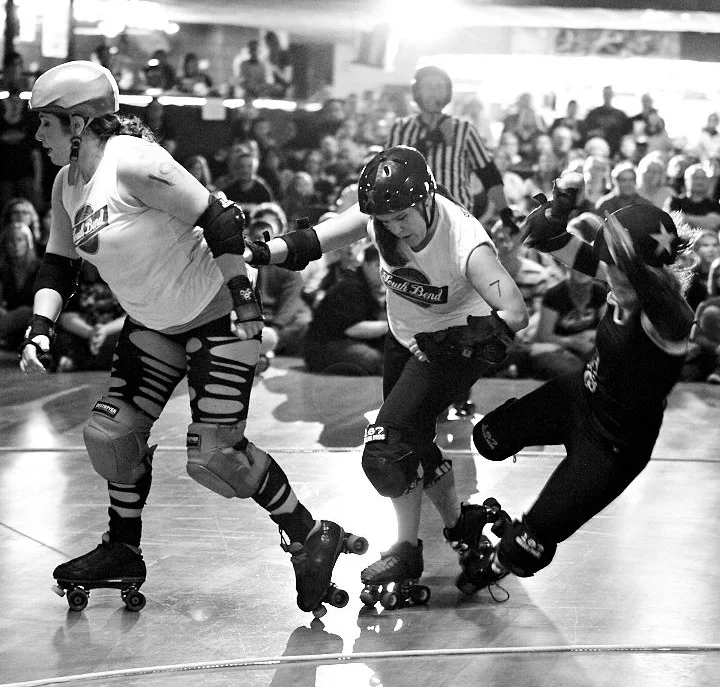
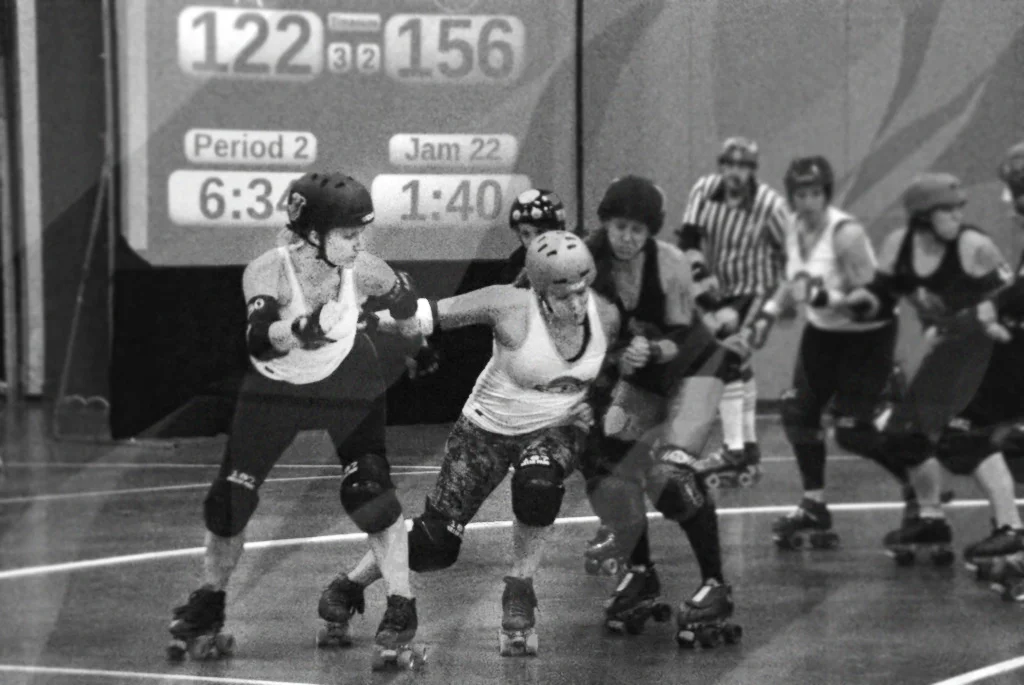
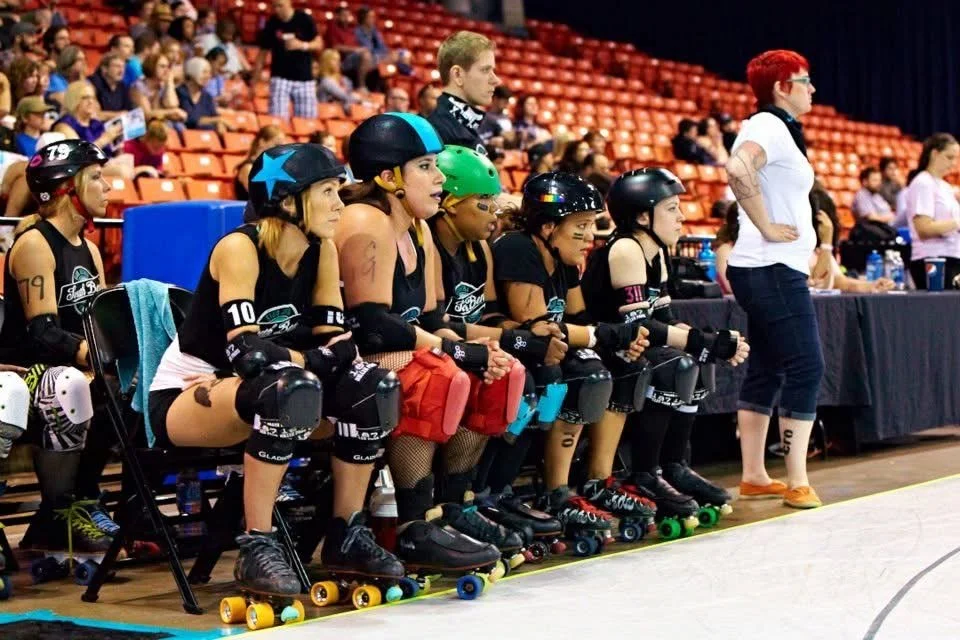
As the league matured, so did its look and operations. In the early years, skaters competed in t-shirts, embracing a DIY spirit that reflected the league’s beginnings. Around 2013–2014, South Bend Roller Girls transitioned to official jerseys, marking another step forward in professionalism and identity.
Over the years, the league has proudly hosted games at several venues throughout the region, including:
USA Skate Center (1st venue)
Century Center (2nd venue)
Michiana Roller Skating Rink (3rd venue)
St. Joseph County Fairgrounds (4th venue)
Each venue represents a chapter in the league’s ongoing story and its deep ties to the local community.
A New Home and a New Name
While practices began at USA Skate Center, the league found a long-term home when practices moved to The Beacon Resource Center in 2014—a space that continues to support South Bend Roller Derby to this day.
In 2020, the league officially transitioned from South Bend Roller Girls (SBRG) to South Bend Roller Derby (SBRD), reflecting a more inclusive identity while honoring the league’s roots and history.
Still Rolling Forward
From rental gear and open skate sessions to sanctioned games and a lasting WFTDA presence, South Bend Roller Derby’s history is one of resilience, evolution, and community support. What started as a group of people skating for fun has grown into a league with deep roots, lasting friendships, and a commitment to the sport that continues to thrive today.
We are proud of where we came from—and excited about where we’re headed.
Team Names & Logos

When creating team names and branding, it was important to keep everything local, clean, and inclusive—reflecting South Bend while remaining welcoming to all. Colors were chosen to complement a wide range of skin tones and look strong both on and off the track.
Several name ideas were considered, including Dying City Derby and South Bend Shovelslayers, but they didn’t align with the league’s long-term vision.
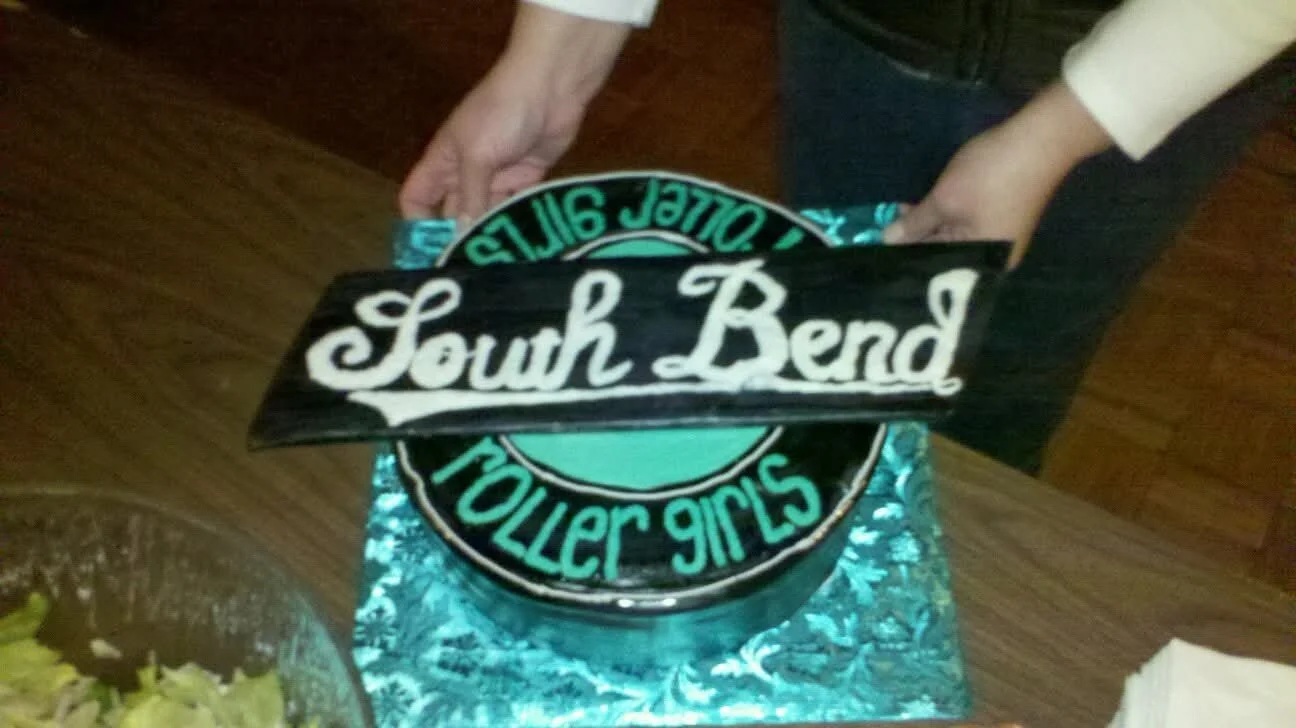
The SBRG logo was created by Laddie, co-founder and Head Ref, during the league’s early years as South Bend Roller Girls, which officially changed its name to South Bend Roller Derby in 2020 to better reflect its commitment to inclusivity.
Designed with longevity and adaptability in mind, the logo continues to represent the league—rooted in the community and evolving with its future.
Our various other logos:
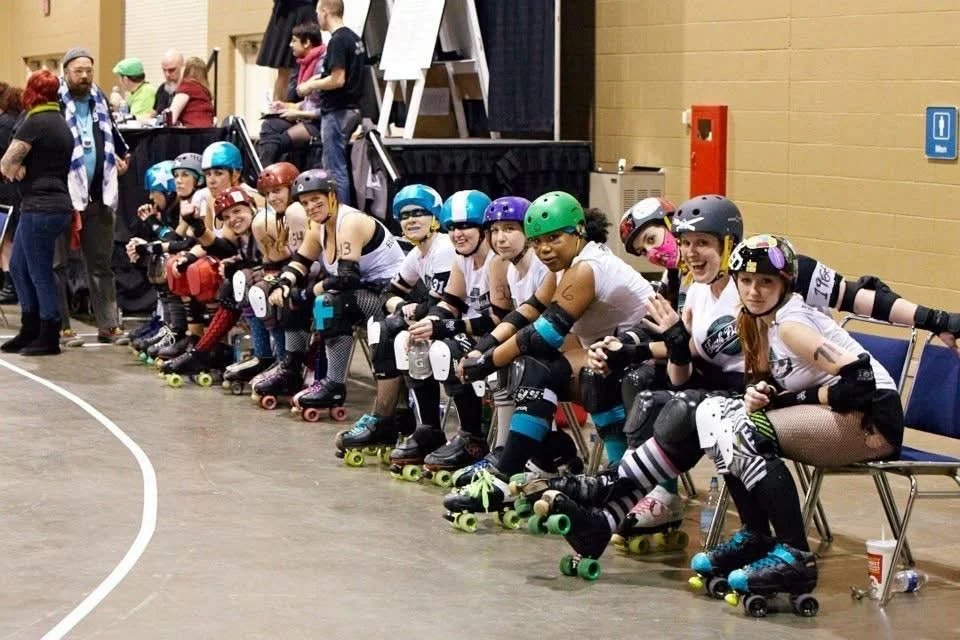
The league originally launched with two teams—Smooth Criminals and Pretty Young Things—and played its first public game on Thursday, January 27, 2011. As the league grew, it transitioned to an A, B, and C team structure, which later evolved into the Studebreakers (A Team), Bonnie Dooms (B Team), and Commanders (Open Gender Team).
The Studebreakers’ name was created by Laddie, co-founder and original Head Ref of the league. The logo, designed by Todd Robertson, serves as a homage to the Studebaker Company, which was founded and based in South Bend, Indiana in 1852, honoring the city’s deep industrial roots and history.
The Bonnie Dooms name was created by Hoytie, Fraidy Krueger, and TNTina. The team name pays homage to the Bonnie Doon Drive-In Restaurant in South Bend, Indiana, a beloved local landmark, and the Studebaker special Race Car, Bonnie Doon. Other name ideas considered included The Lake Effect, Shovel Slayers, and Blue Sox. The Bonnie Dooms logo was designed by Todd Robertson.
The Commanders were originally known as Dyngus Daze before officially becoming the Commanders in 2025. Formed in 2024, this team marked the league’s first-ever open gender team. The name pays homage to the Studebaker Commander automobile, honoring South Bend’s automotive history. The team’s logo was designed by Nichole Bosso of Second Sister Studio.
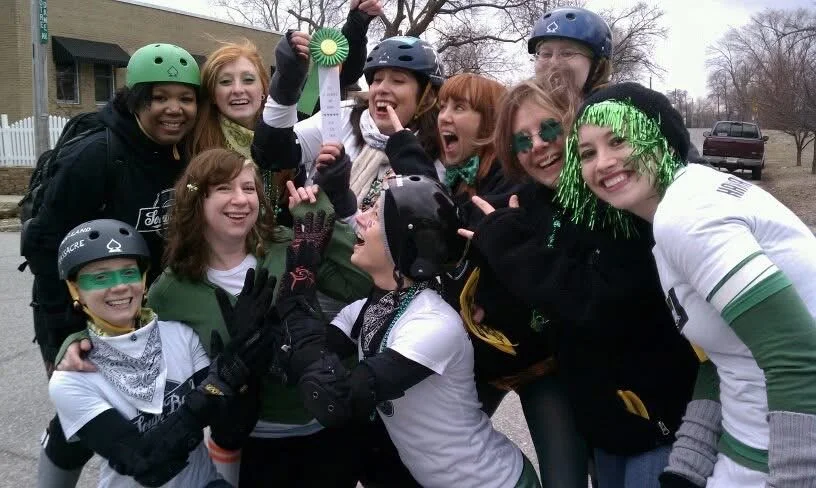
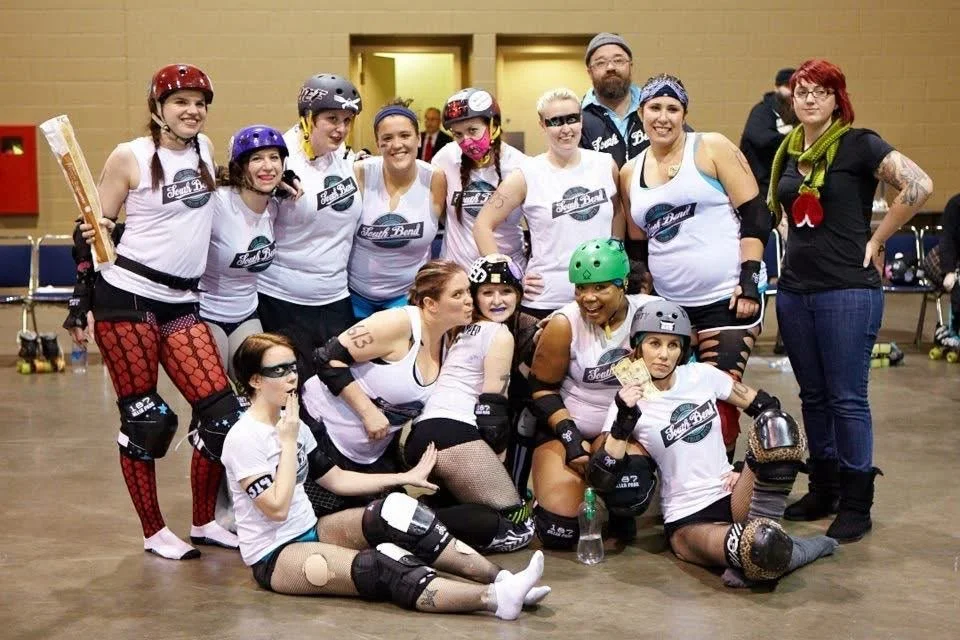
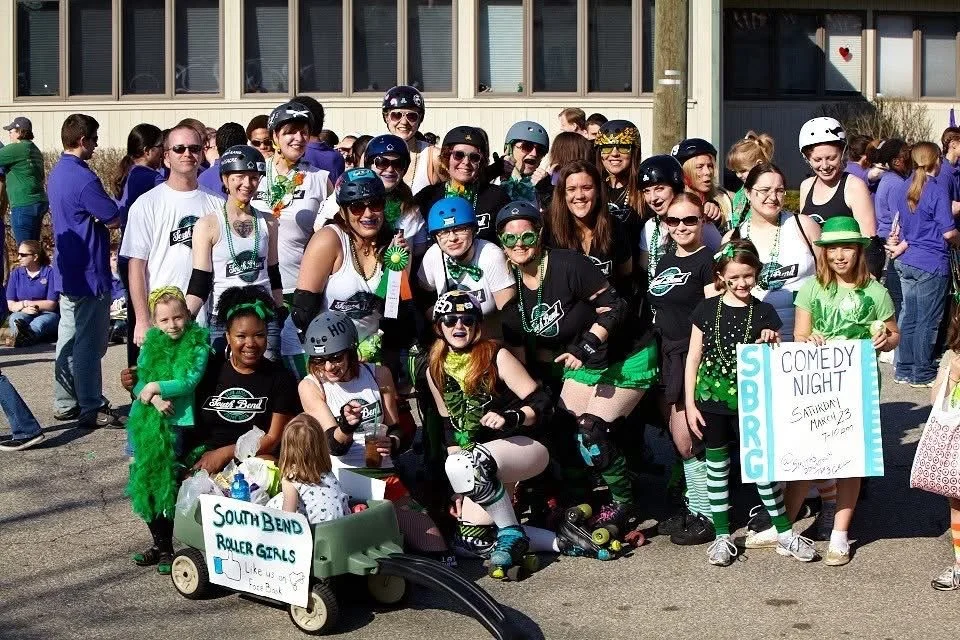
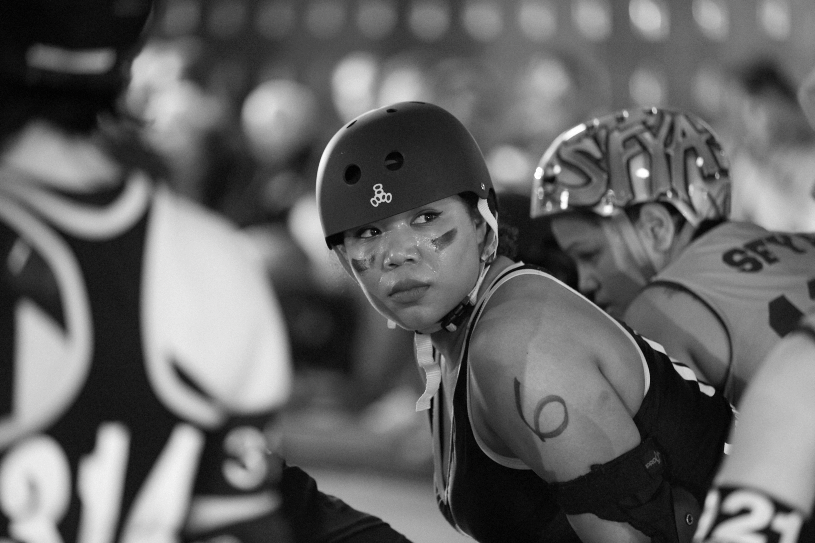
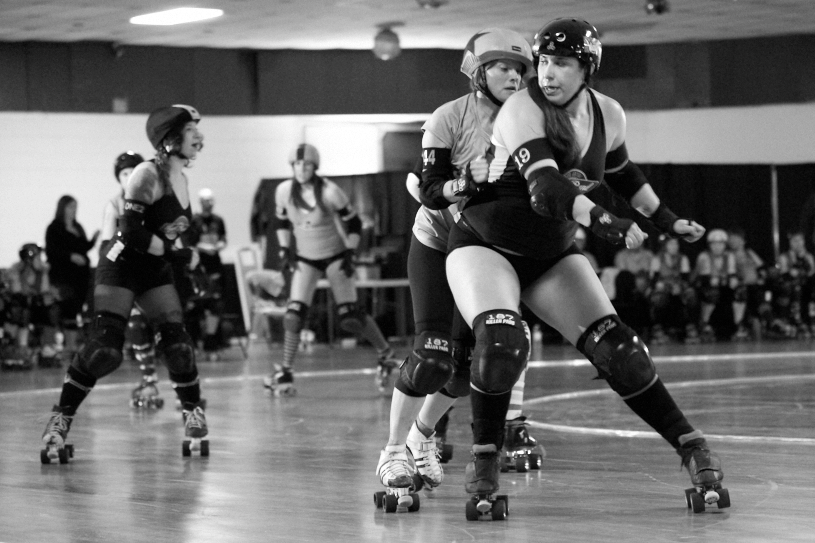
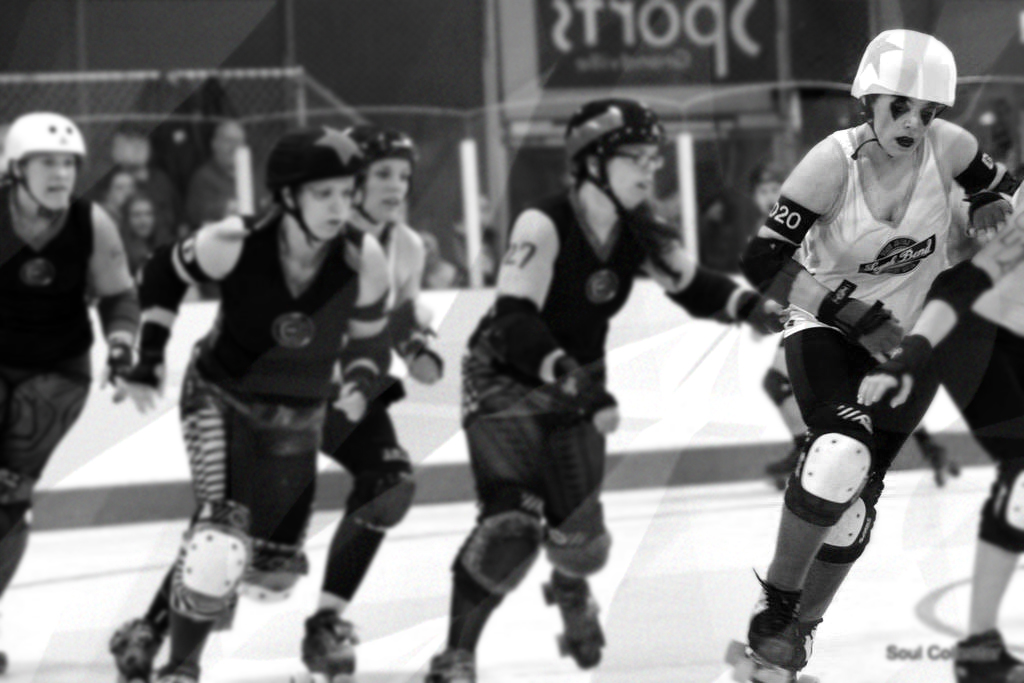
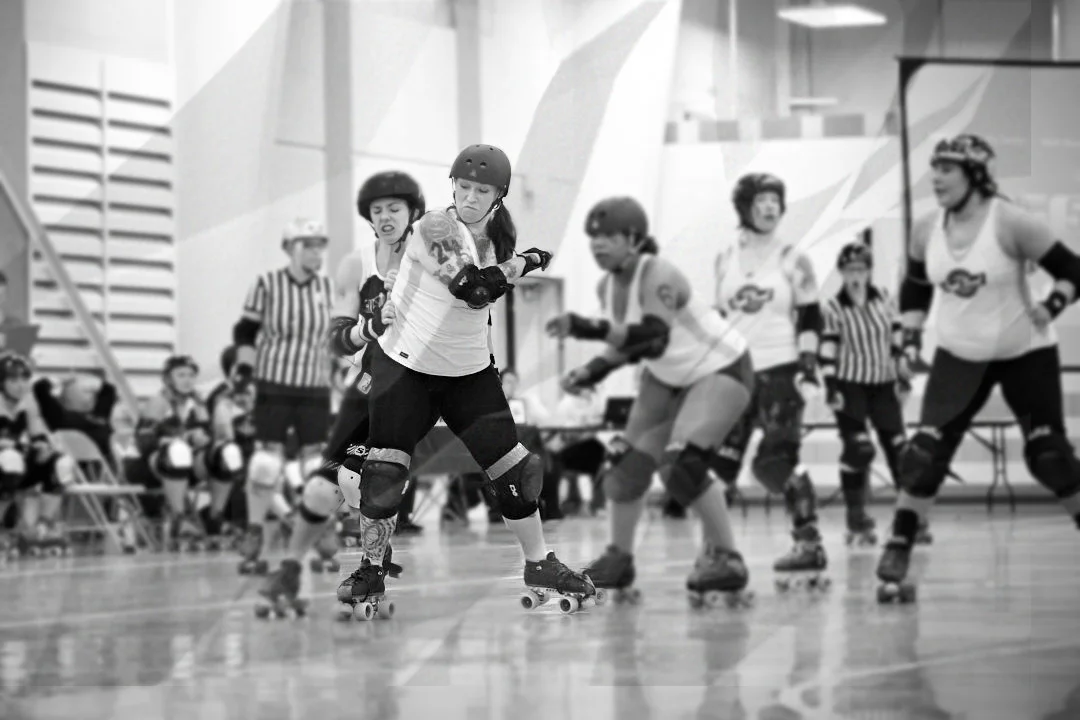
Let the nostalgia roll
Click on an image to view it larger and scroll through the whole gallery